
How to Prepare Your Franchise Project Before Franchise Expo Paris
Preparing for Franchise Expo Paris starts long before the event itself. From assessing your profile to planning your budget, the right preparation helps future franchisees make better decisions and get real value from meeting franchise brands.
Shaun M Jooste, writer
Published at 03/02/2026 , Reading time: 5 min
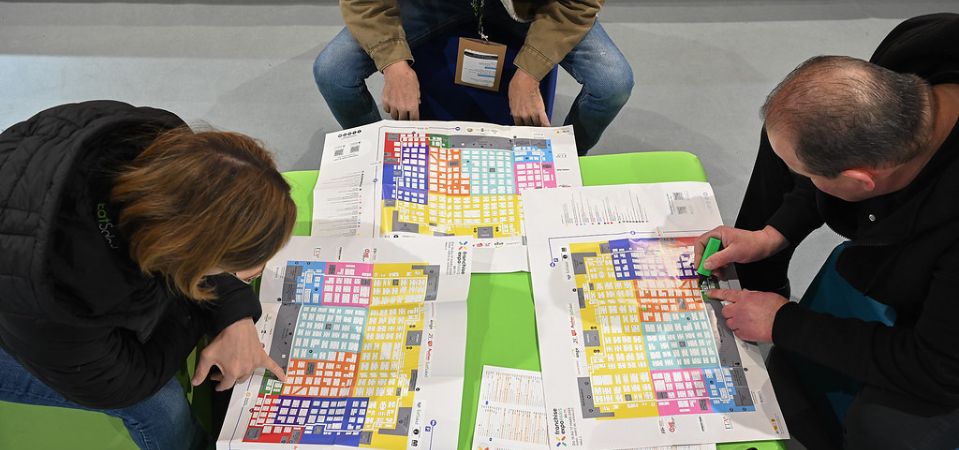
Before walking the aisles of Franchise Expo Paris, a leading event for aspiring business owners, it’s essential to lay strong foundations for your project. Starting a business through franchising is demanding. It combines the freedom of entrepreneurship with the discipline of operating within a proven system.
Success does not happen by chance. It relies on one essential factor: preparation.
Franchise Expo Paris 2026 offers the ideal opportunity to meet franchise networks, ask informed questions and compare business concepts. However, a productive visit begins well before the event itself. The more structured your approach, the more valuable your conversations with franchisors will be.
Before anything else, visitors are encouraged to register in advance :

Step 1: Assess your personal and professional profile
Is franchising right for you?
Before searching for the right franchise opportunity for 2026, start by assessing yourself. Franchising is not suited to every entrepreneur. It requires a balance of independence, discipline and an ability to work within a wider network.
Ask yourself:
- Why choose franchising rather than complete independence?
- Are you comfortable following a proven system and representing a brand?
- Do you enjoy managing people and building a team?
Successful franchisees are not passive followers. They are entrepreneurs who know how to collaborate, adapt and continuously improve.
Build on your strengths and identify gaps
List your previous experience in areas such as management, sales, customer service or team leadership. These skills will be valuable when running a franchise unit.
Equally important is identifying weaknesses. If areas such as accounting or cash flow management are not your strengths, look for franchise networks that offer strong operational and financial support. This level of self-awareness is often viewed positively by franchisors.
Step 2: Review your finances and build a funding plan
Calculate your personal investment and overall budget
Your personal investment is the foundation of any franchise project. It represents the amount of your own capital you are willing to commit, typically between 30% and 50% of the total investment.
Review your available funds carefully, including savings, asset sales or family loans. From there, determine the maximum level of investment you can realistically reach once bank financing is considered. This will immediately narrow down the franchise opportunities suitable for your profile.
Prepare a credible funding proposal
Your financial proposal is your first impression with lenders. It should clearly present your background, the franchise concept you are considering and an early version of your franchise business plan.
Do not overlook working capital. Covering the first few months of trading before reaching break-even is critical to long-term stability.
At Franchise Expo Paris, specialist banks and finance experts are available to assess projects and offer guidance on structuring a strong funding application.
Step 3: Choose the right sector and analyse your market
Identify promising sectors
Not all franchise sectors offer the same level of opportunity. Some are well established, such as quick-service food or property services, while others are growing rapidly, including business services, health and wellbeing, and specialist retail.
Consider whether you are more comfortable entering a mature market or exploring a developing one. Your choice should reflect both your personal interests and the strength of the business model.
Franchise Expo Paris allows visitors to compare emerging concepts and long-standing brands in one place, offering a broad view of the franchise market.
Consider your future location
Even without a full market study, start thinking about where you plan to operate. Does your town or region offer sufficient demand? Who are the existing competitors?
Franchisors value candidates who have already considered these questions, as it demonstrates commitment and professionalism.
Step 4: Structure your project before meeting franchisors
Define your “ideal franchisor” criteria
Before contacting franchise brands, outline clear selection criteria, such as:
- Maximum entry fees and ongoing costs
- Expected profitability
- Brand reputation
- Quality of training and ongoing support
This framework helps you filter opportunities objectively rather than relying on instinct alone.
Draft an initial business forecast
Even without selecting a franchise network, start building a basic financial forecast. Outline projected turnover, operating costs, margins and cash flow assumptions.
The document does not need to be final, but it shows seriousness and helps structure discussions with franchisors during the exhibition.
Step 5: Prepare your visit to Franchise Expo Paris
Preparing your visit is just as important as preparing your project.
Before attending:
- Identify priority franchise brands using the official exhibitor list
- Prepare clear questions about investment, support and profitability
- Attend conferences and workshops aimed at future franchise owners
- Arrange targeted meetings with networks aligned to your financial and personal profile
In summary: preparation builds stronger franchise candidates
A franchise project is built step by step. The more preparation you do in advance, the more credible you appear to franchisors.
Franchise Expo Paris 2026 is not simply a showcase of franchise brands. It is a genuine accelerator for candidates who arrive well prepared. With a clear personal assessment, defined budget and structured project, conversations turn into real opportunities.
FAQ: Preparing your franchise project before Franchise Expo Paris 2026
How should I prepare for Franchise Expo Paris?
By defining your selection criteria, financial capacity and key questions before attending.
What documents should I bring?
A short personal profile, an outline financial forecast and a shortlist of brands to meet.
How much personal investment is required to start a franchise?
This varies by sector, but personal investment typically represents 30% to 40% of the total startup cost.
What mistakes should future franchisees avoid?
Underestimating the budget, misunderstanding the franchise concept, or neglecting personal preparation.
Discover the best franchises
Explore opportunitiesShaun M Jooste, writer